
Blog
The Invisible Shield:Engineering High-Performance Sunscreen Sprays for Global Brands

The Invisible Shield: Engineering High-Performance Sunscreen Sprays for Global Brands
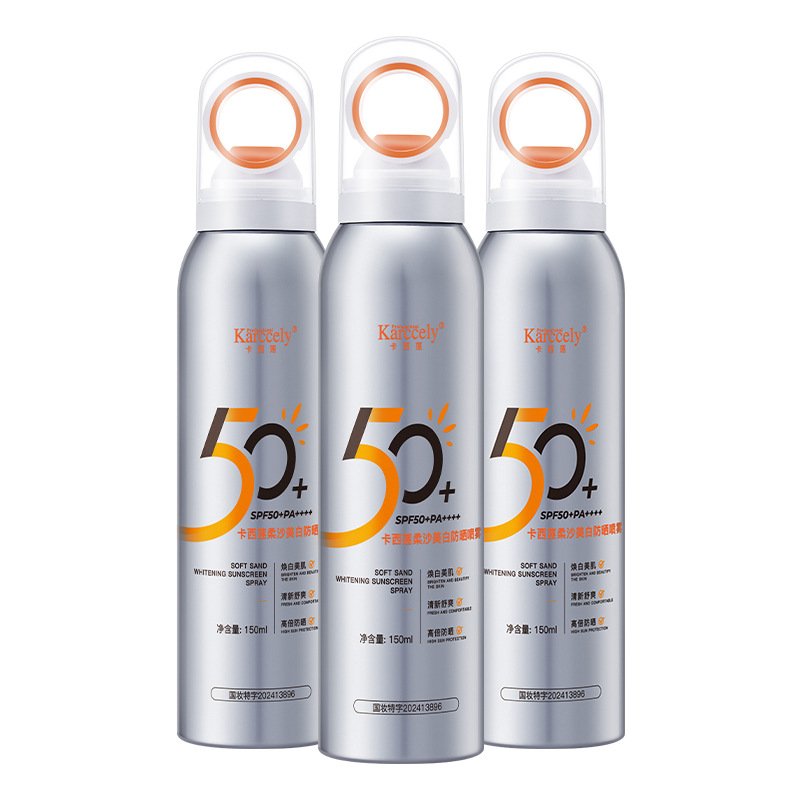
In the global personal care market, sunscreen sprays have evolved from a niche convenience product into a high-volume, high-growth category driven by consumer demand for effortless, full-body protection. For B2B buyers and brand owners, understanding the technical nuances of aerosol sunscreen manufacturing is critical to capturing market share. This article explores the formulation science, dispensing technologies, and safety standards that define a premium, export-ready sunscreen spray.
Formulation Architecture: Balancing Efficacy and Texture
The core challenge in sunscreen spray development lies in achieving high SPF protection without compromising user experience. Unlike lotions, sprays must deliver uniform film formation while maintaining a lightweight, non-greasy finish.
- UV Filter Synergy: High-performance sprays utilize a synergistic blend of organic (chemical) and inorganic (physical) filters. Organic filters like Avobenzone and Octocrylene provide broad-spectrum protection, while micronized Zinc Oxide or Titanium Dioxide offers physical blocking. The particle size of physical filters must be precisely controlled (typically <100nm) to prevent nozzle clogging and eliminate the dreaded “white cast.”
- The “Invisible” Standard: Modern consumers demand “invisible” protection. This requires advanced emulsification or solubilization techniques to ensure the spray dries instantly without leaving a sticky or chalky residue. Water-resistant formulas must also be engineered to maintain film integrity during swimming or sweating, often utilizing specific film-forming polymers that are compatible with aerosol systems.
- Functional Additives: Beyond basic UV protection, the market is trending towards multifunctional sprays. Incorporating soothing agents like Aloe Vera or Centella Asiatica for post-sun repair, antioxidants like Vitamin E to combat free radicals, or even insect repellents for outdoor travel sprays can significantly enhance product value and differentiation.
Dispensing Technology: Aerosol vs. Bag-on-Valve
The choice of dispensing technology is a strategic decision that impacts product performance, safety, and consumer perception.
- Traditional Gas-Propelled Aerosols: These systems use liquefied gases (such as LPG or DME) as both propellant and solvent. They offer rapid evaporation, a cooling sensation, and cost-effectiveness. However, they present flammability concerns and potential environmental impacts due to VOC emissions. For export, manufacturers must ensure compliance with international transport regulations (e.g., UN 1950 for aerosols).
- Bag-on-Valve (BoV) Systems: BoV technology separates the formula from the propellant (usually compressed Nitrogen or Air) using a hermetically sealed bag. This offers 360-degree spray capability (even upside down), non-flammability, and superior formula preservation by preventing oxidation. While the unit cost is higher, BoV is becoming the industry standard for premium and sensitive-skin sunscreen lines due to its safety profile and consistent spray quality.
Safety and Regulatory Compliance: Navigating Global Markets
For B2B manufacturers, regulatory compliance is non-negotiable. Sunscreen sprays face unique safety challenges that must be addressed through rigorous testing and labeling.
- Inhalation Risk Mitigation: The primary safety concern with sunscreen sprays is inhalation. Gas-propelled aerosols produce finer droplets (<10μm) that can penetrate deep into the lungs, posing risks such as chemical pneumonitis, especially in enclosed spaces or for sensitive individuals like children. Manufacturers must optimize valve actuators to produce larger droplets (>10μm) and include clear “avoid inhalation” warnings on packaging. BoV systems inherently reduce this risk due to their larger droplet size.
- Flammability and Storage: Gas-propelled sprays containing hydrocarbon propellants are highly flammable. Labels must clearly indicate “keep away from heat, sparks, and open flames” and specify storage temperatures (typically <50°C). For export, proper UN-certified packaging and transport documentation are essential to avoid customs delays.
- Regional Regulatory Nuances: Sunscreen regulations vary significantly by market. In the EU and Australia, sunscreens are classified as cosmetics with strict SPF/PA testing standards (e.g., ISO 24444). In the US, they are regulated as OTC drugs by the FDA, requiring specific active ingredient approvals and labeling. In Southeast Asia, where demand for whitening sunscreens is high, products may need additional “whitening” claims validation. Manufacturers must tailor formulations and documentation to meet the specific requirements of each target market.
Market Trends: The Rise of Functional and Sustainable Sprays
The sunscreen spray market is being reshaped by evolving consumer preferences and sustainability demands.
- Whitening and Tone-Up Sprays: Particularly in Asian and Middle Eastern markets, there is strong demand for sprays that combine UV protection with instant skin brightening. This requires careful formulation to balance optical brighteners (like micronized Titanium Dioxide) with UV filters, ensuring a natural, non-chalky finish.
- Clean and Reef-Safe Formulations: Consumers are increasingly seeking “clean” sunscreens free from oxybenzone, octinoxate, and other ingredients linked to coral reef damage. Manufacturers are responding by developing reef-safe formulas using non-nano Zinc Oxide and natural emulsifiers, often certified by third-party organizations.
- Multi-Functional Body Care: Sunscreen sprays are no longer just for sun protection. Products that combine SPF with moisturizing, anti-aging, or even self-tanning properties are gaining traction, appealing to consumers seeking streamlined skincare routines.
Conclusion
A high-performance sunscreen spray is a marvel of chemical engineering and precision manufacturing. For brands looking to launch or refine their sun care lines, partnering with a manufacturer who understands the complexities of rheology, propellant dynamics, and global regulatory compliance is the first step toward market success.